How to Choose a Used Refrigerator in UAE — Complete Buyer’s Guide
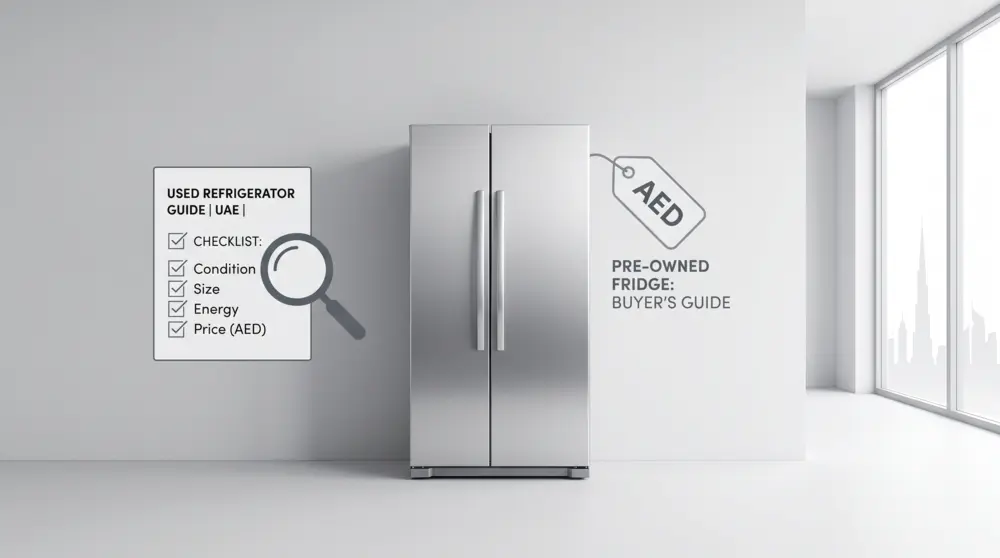
Living in the UAE means relying heavily on appliances to keep life comfortable and food fresh. When you first move to Dubai, Abu Dhabi, or Sharjah, or when your old fridge suddenly gives up, the thought of buying a brand-new, high-end refrigerator can be financially daunting. This is why many residents look to buy used fridge UAE markets. The transient nature of the expatriate population means that practically brand-new appliances are constantly entering the second-hand market.
However, buying a used refrigerator in a country where summer temperatures routinely exceed 45°C requires careful consideration. A fridge works overtime in the UAE, meaning its compressor and cooling systems endure more stress than they would in cooler climates. If you don’t know what you are looking for, you could easily inherit someone else’s expensive problem.
This comprehensive buyer’s guide will walk you through exactly how to choose a used refrigerator that fits your space, suits your family’s needs, and most importantly, lasts for years to come.
Why Buy a Used Refrigerator in the UAE?
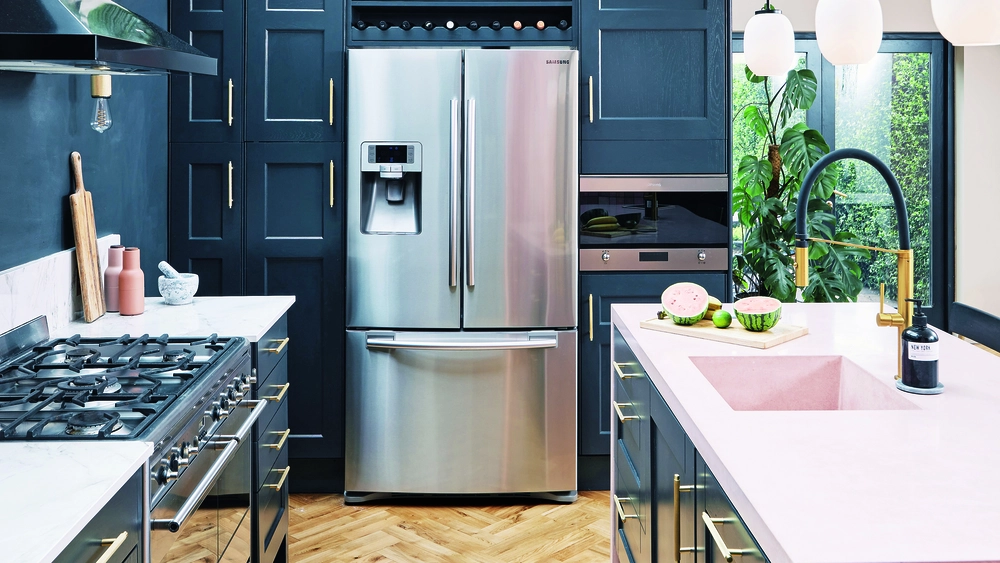
Before diving into the mechanics of choosing a fridge, it is worth noting why the second-hand appliance market in the UAE is so lucrative for buyers:
- Massive Cost Savings: You can easily save between 40% to 70% off the retail price of a high-end refrigerator.
- Expats Upgrading or Relocating: People frequently leave the UAE on short notice or upgrade to larger homes, resulting in the sale of appliances that are sometimes only 6 to 12 months old.
- Eco-Friendly Choice: Extending the life of a major household appliance significantly reduces your carbon footprint and keeps electronic waste out of landfills.
If you are looking for a reliable unit without the hefty price tag, buying a used fridge is a brilliant move—provided you follow the rules below.
1. What Capacity Should You Choose?
The first mistake buyers make is purchasing a fridge based purely on price or aesthetics, rather than capacity. A fridge that is too small will be overstuffed, blocking airflow and causing the compressor to burn out. A fridge that is too large wastes electricity.
Refrigerator capacity is measured in Liters (L). Use this quick reference table to determine the ideal size for your living situation:
| Household Size | Recommended Capacity | Ideal Fridge Style |
| 1 Person (Studio / Bachelor) | 150L – 250L | Single Door or Small Top-Freezer or Mini Refrigerators. |
| 2 People (Couples) | 250L – 350L | Top-Freezer or Bottom-Freezer |
| 3 – 4 People (Small Family) | 350L – 500L | Large Top-Freezer or French Door |
| 5+ People (Large Family) | 500L – 700L+ | Side-by-Side or Large French Door |
Pro Tip: Always measure the physical space in your kitchen before you go shopping. Take a measuring tape and measure the height, width, and depth of the fridge alcove. Crucially, leave at least 2 inches (5 cm) of space at the back and sides of the area for proper ventilation. If a fridge cannot breathe, it will overheat and die prematurely.
2. Brands That Actually Last in the UAE Heat
Not all refrigerators are created equal, and some brands handle the aggressive humidity and heat of the Middle East much better than others. When you buy a used fridge, brand reputation matters even more because you are relying on long-term build quality.
The Premium Tier (Highly Recommended for Used Purchases)
- LG and Samsung: These two South Korean giants dominate the UAE market for a reason. They use highly efficient digital inverter compressors that adjust their speed based on cooling demands, making them incredibly durable and energy-efficient. Finding spare parts for LG and Samsung in Dubai or Abu Dhabi is incredibly easy.
- Hitachi: Known for bulletproof Japanese engineering. Hitachi fridges often run for a decade without a single hiccup. Their dual-fan cooling systems are particularly excellent for the UAE climate.
- Bosch and Siemens: If you are looking for built-in or premium standalone units, these German brands offer superior insulation and build quality. A used Bosch fridge is often a safer bet than a brand-new budget brand.
The Budget/Mid-Range Tier
- Westpoint and Super General: These brands are ubiquitous in the UAE. While they may lack fancy features like smart screens or specialized crispers, they are workhorses. Because they use simpler mechanical parts, they are very cheap to repair if something goes wrong.
Looking for trusted brands in excellent condition? Check out our current inventory at Buy Used Appliances AE to find fully inspected LG, Samsung, and Bosch refrigerators.
3. The Ultimate Inspection Checklist: What to Check

When you are standing in front of a used refrigerator, do not just open the door, look at the shelves, and hand over your cash. You need to perform a basic mechanical audit.
A. The Compressor and Coils
The compressor is the heart of the refrigerator; if it fails, the fridge is essentially garbage.
- Listen to it: Ask the seller to plug the fridge in. The compressor should emit a steady, quiet hum. If it rattles loudly, clanks, or clicks repeatedly without starting, walk away.
- Feel the heat: Carefully place your hand near (but not directly on) the compressor at the back. It should be warm, but not so hot that it burns you.
- Check the condenser coils: These are the black tubes at the back or underneath the fridge. If they are caked in thick, greasy dust, the fridge has been working much harder than it should have to dispel heat. While you can clean them, heavy neglect reduces the fridge’s lifespan.
B. Door Seals (The Paper Test)
The rubber gaskets around the doors keep the cold air in and the hot UAE air out. If the seals are cracked, brittle, or loose, cold air escapes, causing the compressor to run constantly.
- The Paper Test: Take a standard piece of paper or a Dirham note. Close the fridge door on the paper so it is trapped between the seal and the fridge body. Pull the paper out. You should feel noticeable resistance. If the paper slides out easily and without friction, the seal is bad and needs replacing.
C. Cooling Performance
- Check both compartments: The freezer should be distinctly freezing, and the fridge should be cold.
- Check the back wall of the freezer: If it is a frost-free model, the back wall should not have thick sheets of ice built up on it.
- Water dispenser/Ice maker: If the model has these features, ask the seller to demonstrate that they work. These are notoriously the first things to break on luxury fridges.
D. Interior Plastics and Odors
- Inspect the shelves: Look for hairline cracks in the plastic or tempered glass. Replacing a specific branded shelf in the UAE can be surprisingly expensive.
- The Smell Test: Stick your head in and take a breath. A mild food smell is normal. A deep, musty, mildew smell means moisture has gotten into the insulation, which is almost impossible to fix. A sharp chemical smell could indicate a refrigerant leak.
4. The Golden Rule of Age Limits
“How old is too old?” is the most common question buyers ask. Refrigerators generally have a lifespan of 10 to 14 years. However, when buying used, you want to maximize your investment.
- The Sweet Spot (1 to 3 Years Old): This is the holy grail of used appliances. You get modern energy efficiency (inverter technology), the plastic is still flexible, and the compressor has minimal wear and tear. You will pay a bit more, but it is worth it.
- The Acceptable Range (4 to 7 Years Old): Still a very safe purchase, especially if it is a premium brand like Hitachi, LG, or Siemens. Just be thorough with your inspection checklist.
- The High-Risk Zone (8+ Years Old): Unless the fridge is practically free or you just need a temporary unit for a garage or staff accommodation, avoid appliances this old. The rubber seals will be degrading, and the compressor is nearing the end of its natural life. Furthermore, older fridges consume significantly more electricity, erasing your initial savings via higher DEWA/ADDC bills.
Always ask the seller for the original receipt to verify the age. If they don’t have it, look for a manufacturer’s sticker inside the fridge compartment (usually on the right or left wall) which often lists the manufacturing date.
5. Massive Red Flags to Walk Away From
No matter how cheap the fridge is, if you spot any of the following, politely decline the purchase:
- Excessive Frost Buildup: If the freezer looks like an igloo, the defrost heater, timer, or thermostat is broken. This is a common and annoying repair.
- Rust on the Outer Body or Bottom: A little scratch on the door is fine. Rust bubbling under the paint at the bottom of the doors means the fridge was kept in a damp area, and the internal metal framework may be compromised.
- Water Pooling Inside or Underneath: This usually means a clogged defrost drain. While it can be an easy fix, it often points to long-term neglect.
- “It Just Needs Gas”: If a seller tells you the fridge works fine but “just needs a gas refill to get cold,” run away. Refrigerators are closed systems. They do not “use up” gas like a car uses petrol. If it needs gas, it means there is a leak in the sealed system, which is an incredibly expensive and difficult repair.
6. Where to Buy Used Refrigerators in the UAE

When you decide to buy a used fridge in the UAE, you generally have two routes:
The Peer-to-Peer Market (Dubizzle, Facebook Marketplace)
Buying directly from an expat who is leaving the country can yield great bargains. However, it is high risk. There are no warranties, no delivery included, and if the fridge breaks two days later, you have no recourse. You also have to navigate the hassle of hiring a “man with a van” to transport the unit.
Specialized Appliance Dealers
The safest way to buy used appliances is through trusted, professional dealers. When you buy from a specialized business, the appliances have been cleaned, tested, and vetted by technicians.
At Buy Used Appliances AE, we take the stress out of the second-hand market. Every refrigerator we sell undergoes a strict multi-point inspection covering compressor health, thermostat accuracy, and seal integrity. More importantly, we provide warranties on our used appliances and offer fast, safe delivery across Dubai, Sharjah, and Abu Dhabi.
7. Crucial Transportation and Installation Tips
You found the perfect fridge. You paid for it. Now, you have to get it home. Mishandling a refrigerator during transport is the number one cause of sudden failure in used units.
- Never Lay It Flat: Refrigerators must be transported strictly upright. If you lay a fridge on its back or side, the oil inside the compressor will run up into the cooling lines.
- The 24-Hour Rule: If the fridge was tilted during transport (even slightly to get it through a door), do not plug it in immediately. You must let the fridge stand upright and unplugged for 12 to 24 hours. This allows the compressor oil to settle back to the bottom. Plugging it in too soon will force the compressor to pump without lubrication, destroying it instantly.
- Give it Time to Cool: Once you plug it in, let it run empty for at least 4 to 6 hours to reach the proper temperature before loading it with food.
Conclusion
Deciding to buy used fridge UAE style doesn’t have to be a gamble. By choosing the right capacity, sticking to proven brands like LG, Samsung, and Hitachi, and rigorously checking the compressor and seals, you can secure a fantastic appliance for a fraction of the retail cost. Avoid red flags like rust and frost buildup, and never fall for the “it just needs gas” excuse.
If you want the cost benefits of a used appliance without the anxiety of buying from a stranger on the internet, let the professionals help. Browse the fully tested, warranty-backed inventory at Buy Used Appliances AE today, and get reliable cooling delivered straight to your kitchen.
Still confused on what to buy? Ask us on WhatsApp.